Cute Chick Embroidery Design Review
As a designer and embroidery product reviewer, I often find myself evaluating machine embroidery designs for real-world use. The Cute Chick design caught my attention with its simple yet charming aesthetic. It’s the kind of design that feels instantly recognizable and approachable—perfect for a wide range of projects. But how does it hold up in actual embroidery situations? Let’s break it down.
First Impressions: A Design That Feels Right at Home
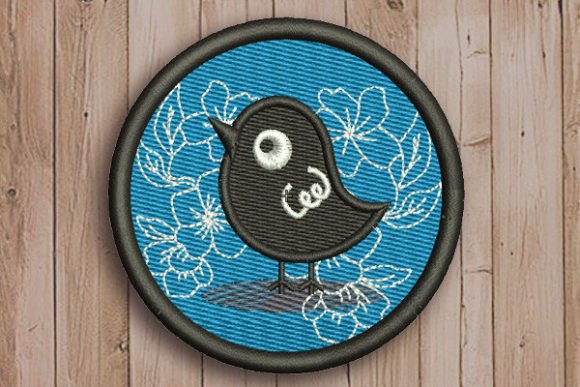
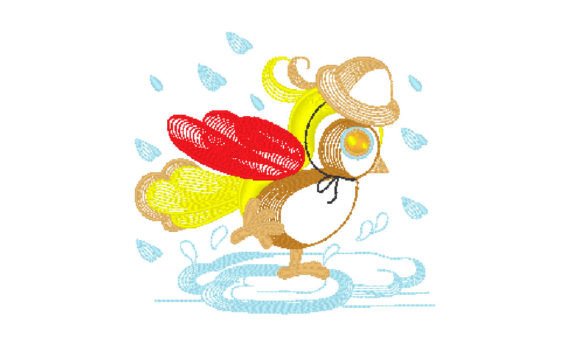
The Cute Chick has a soft, whimsical vibe that immediately suggests it belongs on something like a baby onesie, a personalized tote bag, or a cozy pillow cover. Its layout is clean, with a balanced composition that doesn’t feel cluttered. The shape is simple but expressive, making it easy to stitch without overwhelming the fabric. The level of detail is just right—enough to be visually engaging but not so intricate that it becomes impractical for most embroidery machines.
This design seems to thrive in casual, handmade settings. It’s not overly complex, which makes it ideal for beginners or those looking for quick, satisfying projects. But it also has enough character to stand out in a commercial setting, especially for small businesses targeting a family-friendly or rustic aesthetic.
Real-World Use: Where Does Cute Chick Shine?
I’ve used Cute Chick on several different fabrics and found it works well on cotton, canvas, and light-weight denim. It’s particularly effective on items like tote bags, sweatshirts, and aprons where a subtle, friendly design can add personality without overpowering the garment. For custom apparel, it’s a great choice when you want to keep the focus on the fabric rather than the embroidery itself.
One project I tested was a tote bag design for a local craft fair. The Cute Chick added just the right amount of charm without being too busy. It looked equally good in light and dark colors, though I noticed that on darker fabrics, the thread contrast needed to be carefully chosen to ensure visibility. On lighter backgrounds, the design stood out more naturally.
For baby embroidery, this design could be a hit. It’s gentle and non-threatening, making it perfect for onesies, blankets, or burp cloths. The simplicity of the design also makes it less likely to be lost in the wash, which is an important consideration for frequently laundered items.
Where to Be Cautious: Limitations and Considerations
While Cute Chick is versatile, there are some scenarios where it might not perform as well. For instance, if you’re working with a small hoop size, the design may require multiple hooping sessions, which can be time-consuming and increase the risk of misalignment. Similarly, on textured fabrics or thin, stretchy materials, the stitching may not sit as smoothly, and the design could appear distorted.
On dark fabric, the Cute Chick design needs careful attention to thread color. If the stitches are too similar in tone, the design might blend in rather than stand out. For layered garments or curved surfaces like caps, the design may need additional stabilization to prevent shifting during stitching.
Also, while the design is relatively simple, it still requires proper stabilizer to maintain its shape and clarity. Without the right support, the stitches might pucker or lose definition, especially in areas with satin stitch or fill stitch.
Impact on Visual Appeal and Customer Perception
The Cute Chick design adds a touch of warmth and personality to any project. It enhances the visual appeal of a handmade product without being over-the-top. This makes it a strong candidate for Etsy sellers or small shop products looking to create a cohesive brand image.
When used effectively, it can increase the perceived value of a finished product. Customers often respond positively to cute, recognizable designs, especially when they’re used for personalized gifts or holiday embroidery. The design also has a high giftability factor, making it ideal for items like baby shower presents or birthday cards.
From a professional standpoint, Cute Chick can help reinforce brand consistency. If your business focuses on playful, family-oriented themes, this design can serve as a reliable asset in your design assets library.
Practical Designer Notes: What to Test Before Using
Before committing to a full project, I always recommend testing the Cute Chick design on scrap fabric. This helps identify any issues with stitch density or thread color contrast that might not be obvious from the digital file alone.
Check whether the design works in black and white mockups to see how it looks without color. This is especially useful for printable mockups or digital product previews. Also, compare the design on both light and dark backgrounds to ensure it remains visible and appealing in all contexts.
Make sure the hoop size is appropriate for your machine and the project at hand. If you're planning to use the design for embroidered patches or custom apparel, verify that the file format is compatible with your embroidery software.
Finally, if you're considering selling finished items or digital products featuring Cute Chick, double-check the licensing terms to ensure compliance with any usage restrictions.
Final Thoughts: A Versatile and Lovable Design
The Cute Chick embroidery design is a solid choice for a variety of projects. It’s simple enough for beginners, yet detailed enough to add character to more advanced work. Whether you’re creating a sweatshirt embroidery for a craft fair, a holiday gift for a client, or a small business merchandise line, this design offers flexibility and charm.
With a little care and testing, Cute Chick can become a go-to piece in your embroidery toolkit. Just remember to consider the fabric type, hoop size, and thread choices to get the best results. And always think about how the design will look once stitched—because the final product is what matters most.